
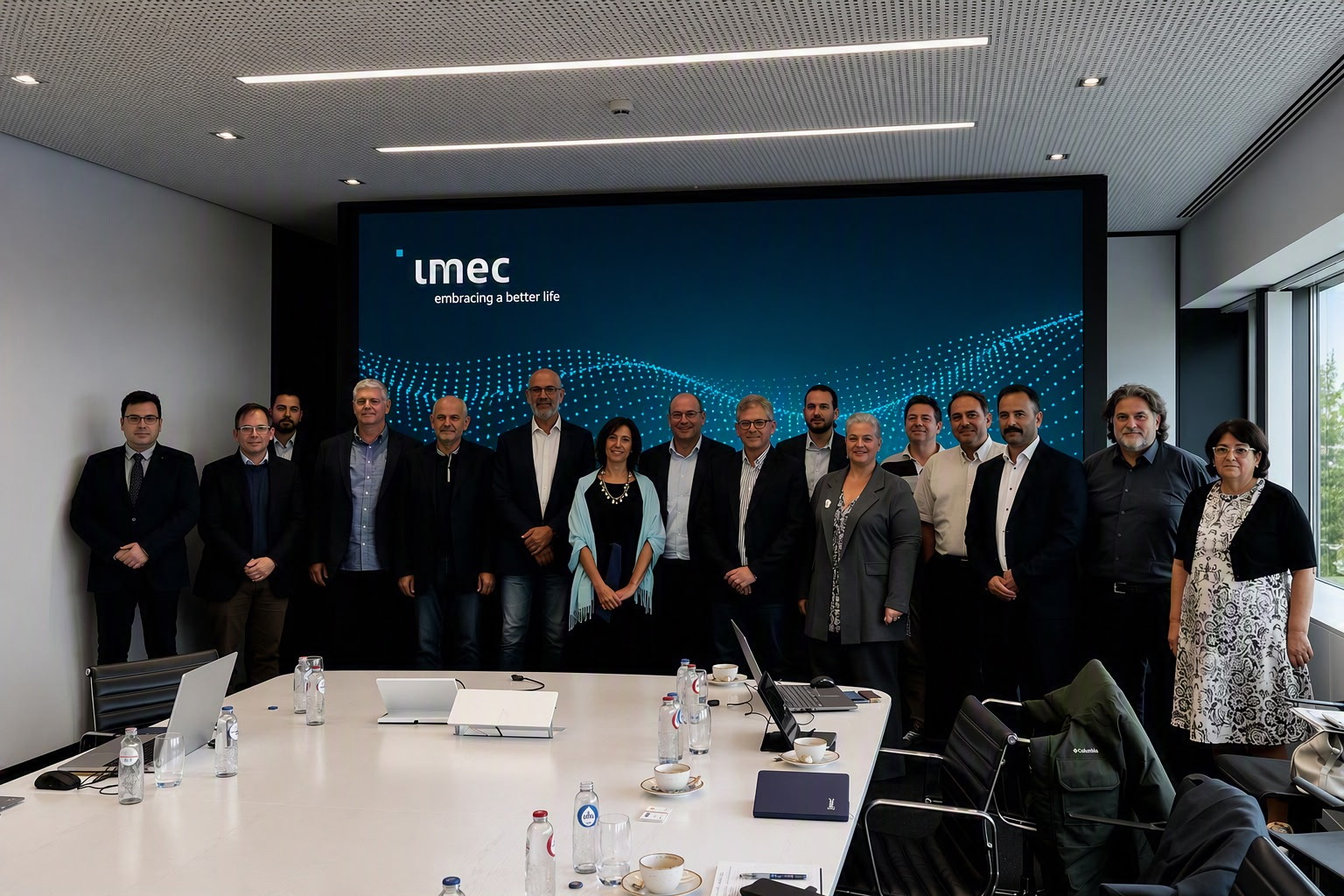
Brussels & Leuven, Belgium | 10–11 September 2026
The Hellenic Chips Competence Centre (HCCC), in collaboration with the Hellenic Emerging Technologies Industry Association (HETiA), successfully organized and led a two-day Greek Business & Investment Delegation to Brussels and imec Leuven, bringing together representatives from Greece’s semiconductor, microelectronics, deep-tech, and innovation ecosystem.
The mission formed part of HCCC’s broader efforts to strengthen the international presence of the Greek semiconductor ecosystem, foster strategic partnerships, and create new opportunities for technology transfer, innovation, investment, and industrial collaboration across Europe.
Strengthening Greece’s Presence in the European Semiconductor Landscape
The delegation brought together representatives from Greek technology companies, research organizations, startups, innovation stakeholders, and public sector entities active in semiconductors, microelectronics, integrated circuit design, embedded systems, AI, photonics, IoT and advanced digital technologies. The Greek delegation was also accompanied by Mrs. Aliki Pappa, Head of the Industrial Policy Directorate at the General Secretariat for Industry, and Mr. Vasileios Giannakopoulos, Deputy Head of the Department for Industrial Innovation, further strengthening the institutional dimension of the mission.
The program was organized by HETiA within the framework of the HCCC and received valuable support from the Office for Economic and Commercial Affairs of the Embassy of Greece in Brussels, in particular from Mrs. Fani Pantazi, First Counselor – Head of the Office for Economic and Commercial Affairs, as well as from Flanders Investment & Trade (FIT).
Day 1: Institutional Engagement in Brussels
The first day of the mission focused on policy dialogue and institutional engagement.
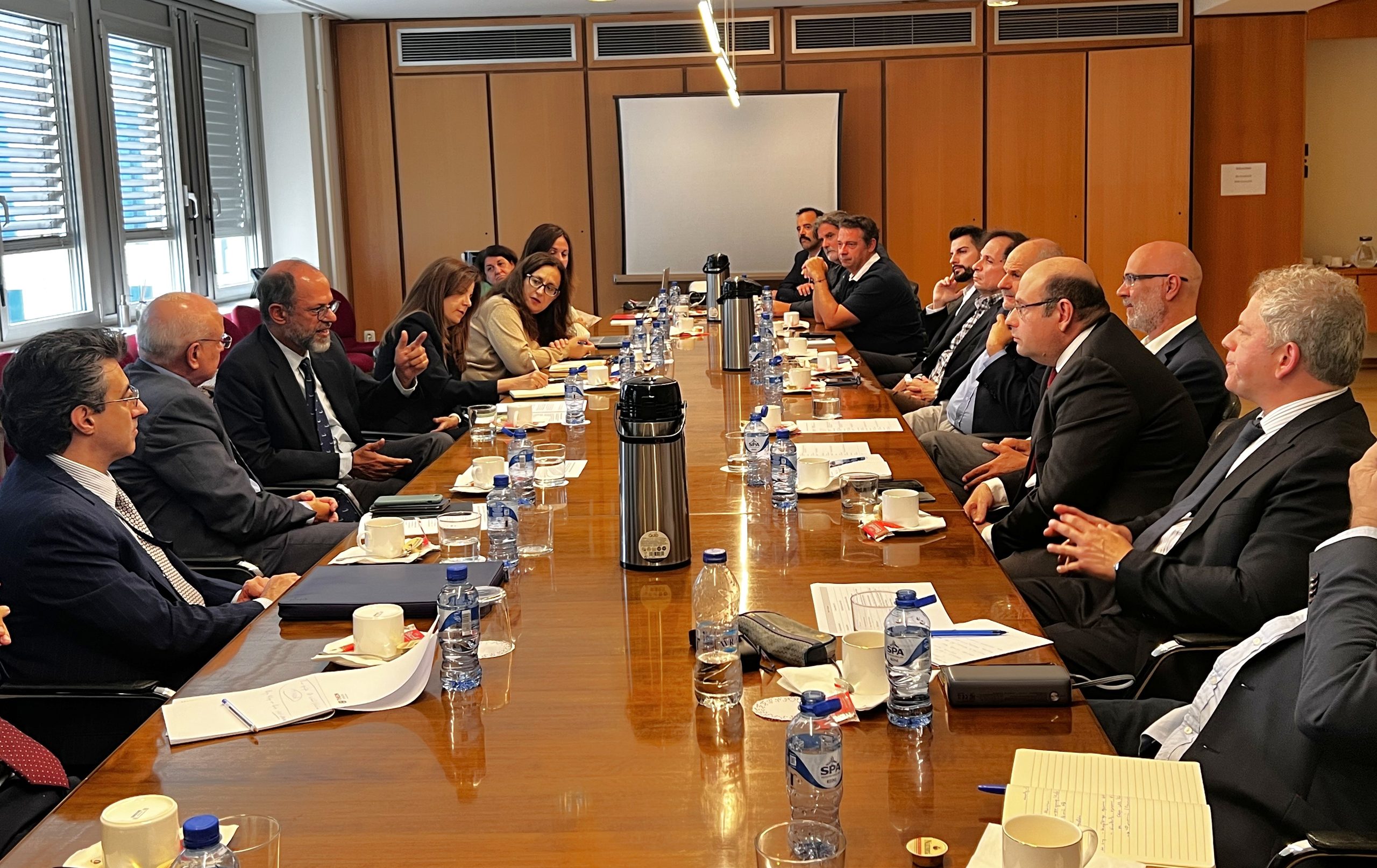
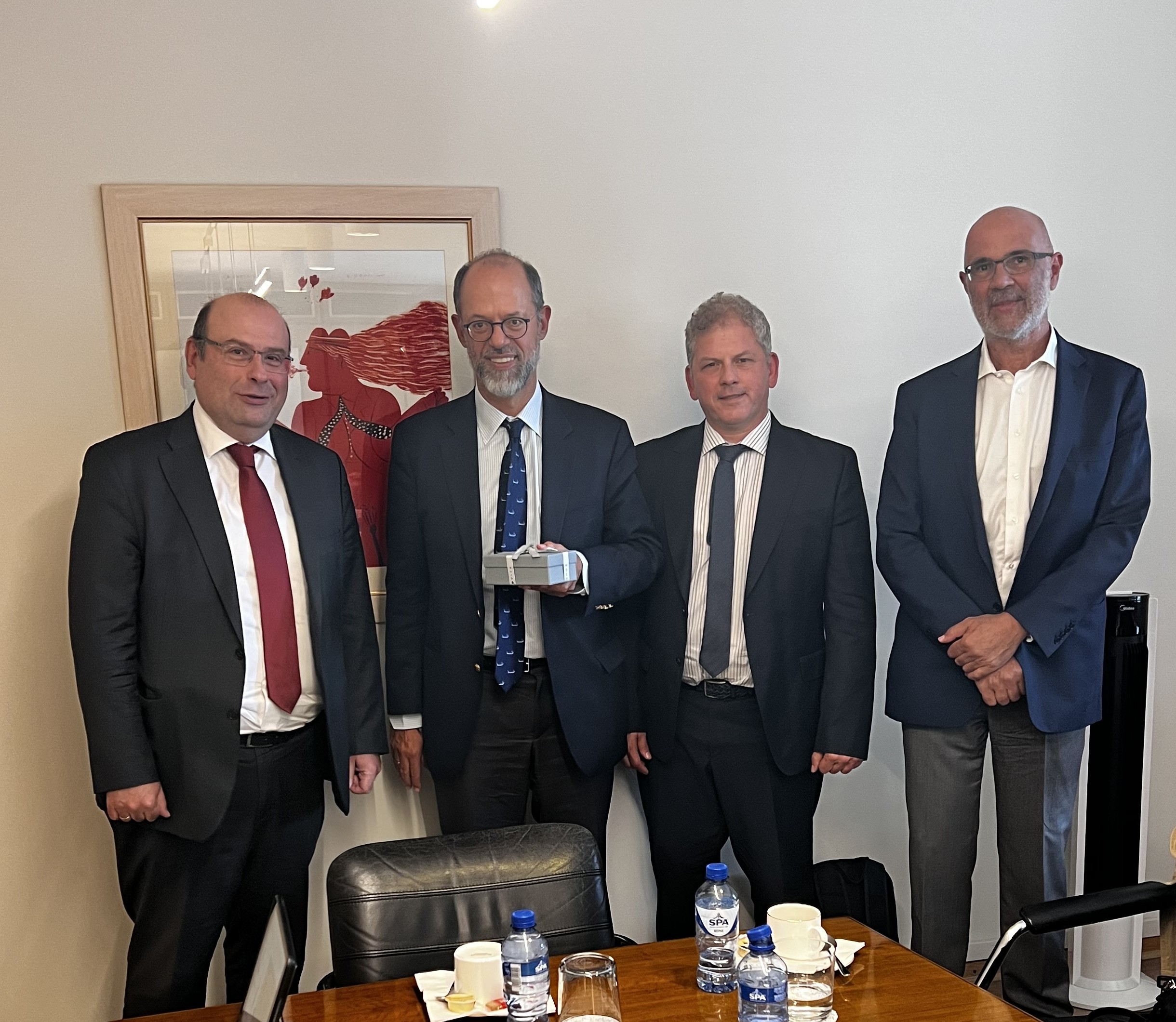
Delegates visited the Permanent Representation of Greece to the European Union in Brussels, where they were welcomed by H.E. Ambassador Mr. Ioannis Vrailas, Permanent Representative of Greece to the European Union, and Mr. Panagiotis Papanastasiou, Minister Counsellor for Economic and Commercial Affairs. Discussions addressed European semiconductor policy developments, the implementation of the European Chips Act, funding instruments, innovation initiatives, and opportunities for strengthening Greece’s participation in the European semiconductor value chain.
The delegation emphasized the importance of aligning national initiatives with European priorities while fostering stronger links between industry, research and policy communities.
Networking Reception Connecting Greek and European Stakeholders
A key highlight of the mission was the networking reception held in Brussels, which brought together representatives from the Greek semiconductor ecosystem, European institutions, innovation agencies, public authorities, research organizations, investors, and industry stakeholders.
The event was honored by the participation of Mr. Dimitrios Velissaroulis, Deputy Head of Mission of the Embassy of Greece in Brussels, and representatives of the Greek Embassy’s Office for Economic and Commercial Affairs. The event included engagement with European stakeholders and discussions concerning investment mechanisms, technology competitiveness, research collaboration, and future ecosystem development.
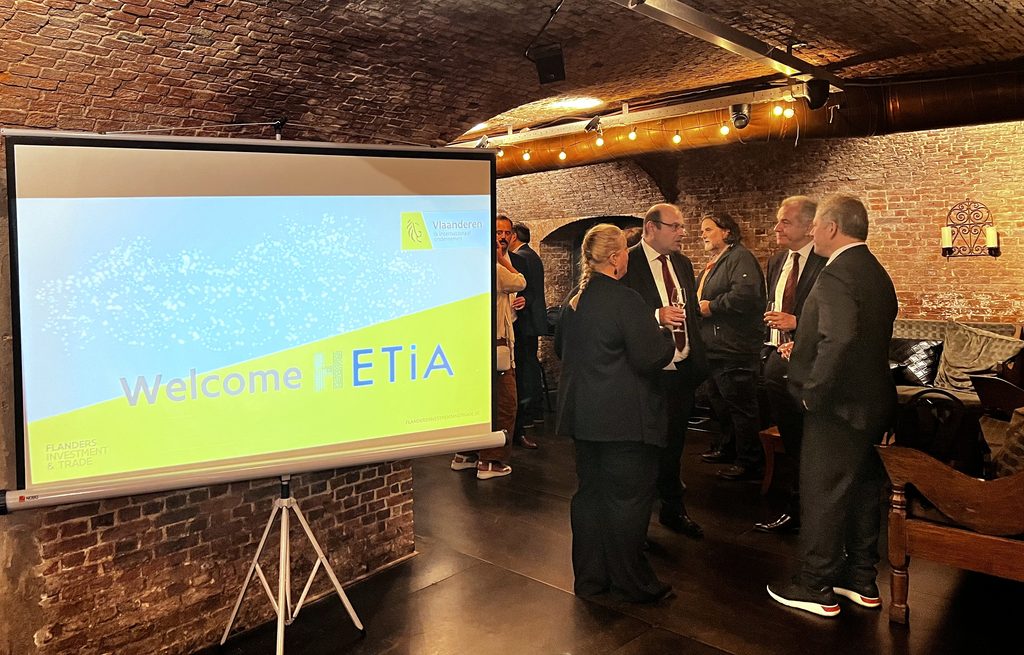
Flanders Investment & Trade (FIT) provided valuable support to the Greek delegation and contributed to the event through a presentation by Mr. John Verzeele, Global Director Inward Invest, Business Development Flanders, highlighting opportunities for investment, business development, and cooperation within the Flemish ecosystem.
Day 2: Strategic Visit to imec Leuven
The second day of the mission was dedicated to a strategic visit to imec in Leuven, following up on the HETiA–imec Workshop “Promoting Deep-Tech Innovation Through Strategic Collaboration”, held in Athens on 8–9 April 2025, which brought together representatives from imec and the Greek research and industrial ecosystem. Imec is one of the world’s leading research and innovation centers in nanoelectronics and digital technologies.
The visit was honored by the participation of H.E. Sofia Grammata, Ambassador of Greece to Belgium.
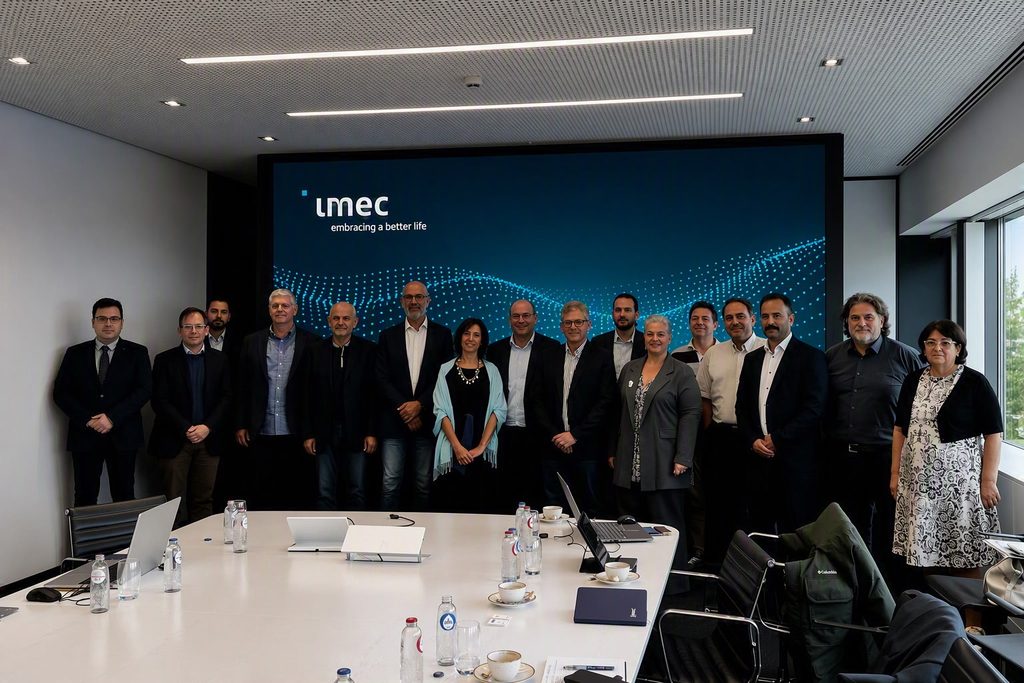
The program opened with introductory remarks and presentations on imec’s strategic vision, followed by detailed briefings covering key technology domains and future market opportunities.
Sessions included presentations on:
- Connected Computing technologies
- The EU Chips Design Platform
- Technology commercialization and venture creation through imec.ventures
- Advanced semiconductor research and fabrication technologies
- Advanced packaging and silicon photonics
- International academic collaborations
- Deep-tech startup acceleration through imec.istart
- Emerging applications of nanotechnology and life sciences technologies
Open discussion sessions allowed delegates to explore potential areas for collaboration, technology transfer, joint development projects, and future participation in European initiatives.
A guided visit to imec’s cleanroom facilities provided participants with first-hand exposure to world-class semiconductor R&D infrastructure and advanced manufacturing technologies.
Building Long-Term Partnerships for Innovation and Growth
The mission reaffirmed the growing international visibility of the Greek semiconductor and deep-tech ecosystem and highlighted the value of coordinated actions that connect industry, research, innovation and public policy.
Through the HCCC and HETiA, Greek stakeholders engaged directly with key European partners, fostering relationships that can evolve into research collaborations, commercial partnerships, investment opportunities and participation in future European semiconductor initiatives
Looking Ahead
The Hellenic Chips Competence Centre remains committed to supporting companies, researchers and innovators across Greece by facilitating access to European networks, advanced technologies, expertise and collaboration opportunities. The Brussels and imec mission represents another significant step toward positioning Greece as an active contributor to Europe’s semiconductor ambitions and strengthening the competitiveness of the national ecosystem within the European Chips Act framework.


HCCC project is supported by Chips JU and its members, and is co-funded by European Union and the Greek Government via the “Competitiveness” Programme.
Co-funded by the European Union. Views and opinions expressed are however those of the author(s) only and do not necessarily reflect those of the European Union or EYDE-VEK. Neither the European Union nor the granting authority can be held responsible for them.