
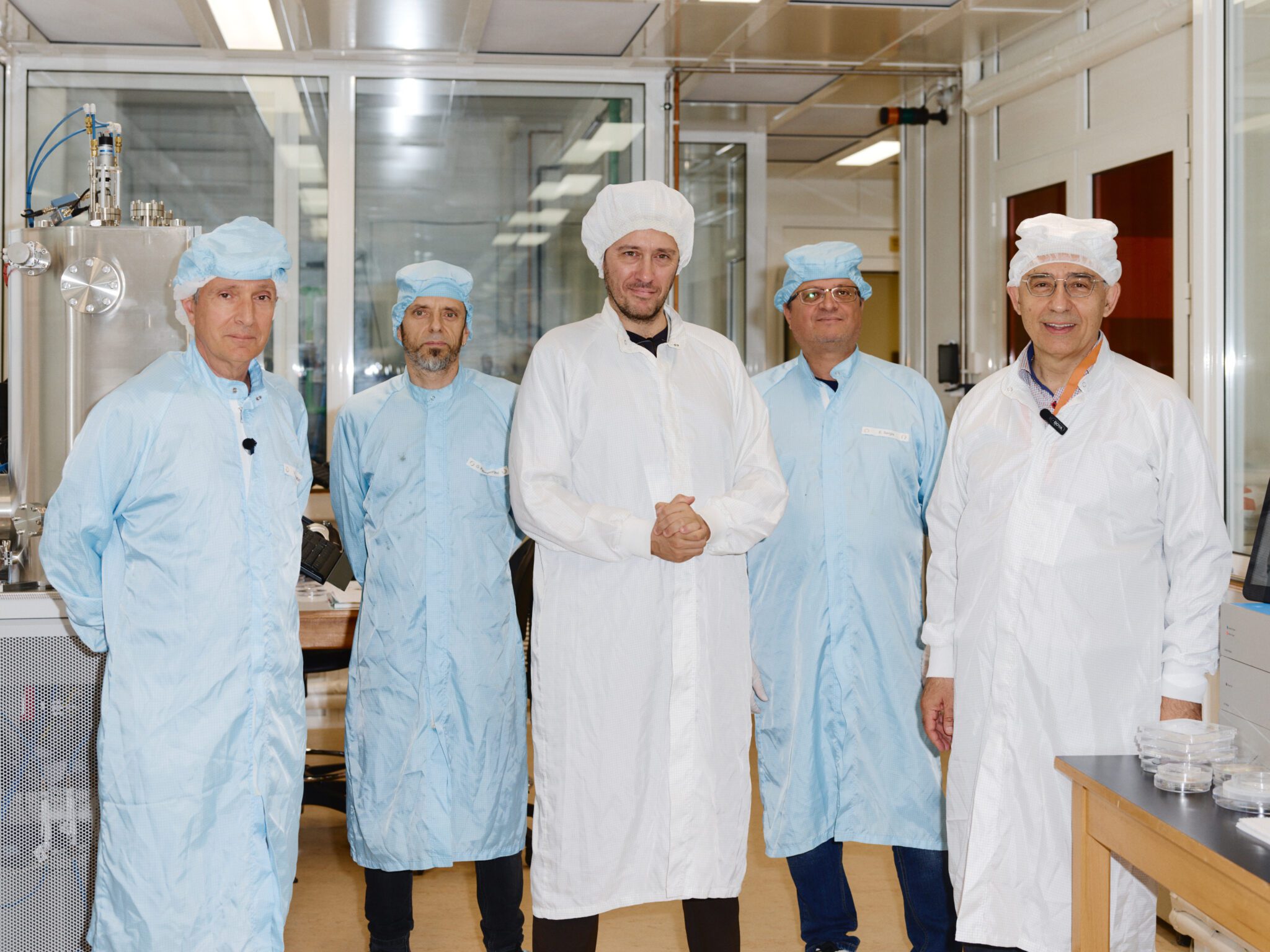
The Greek semiconductor ecosystem, national research infrastructures, and the sector’s growth prospects are highlighted in WIRED Greece’s latest feature, “Inside the Greek Clean Room Where Tomorrow’s Chips Are Born,” which includes insights from representatives of the Hellenic Chips Competence Centre (HCCC).
In the article, Dr. Evangelos Gogolides, Research Director at NCSR “Demokritos” and Executive Board Member of HCCC, highlights the strategic importance of national research infrastructures for the advancement of microelectronics and semiconductors in Greece. As he notes, these infrastructures provide the foundation for innovation, facilitate technology transfer to industry, and strengthen the country’s competitiveness within the European semiconductor ecosystem.
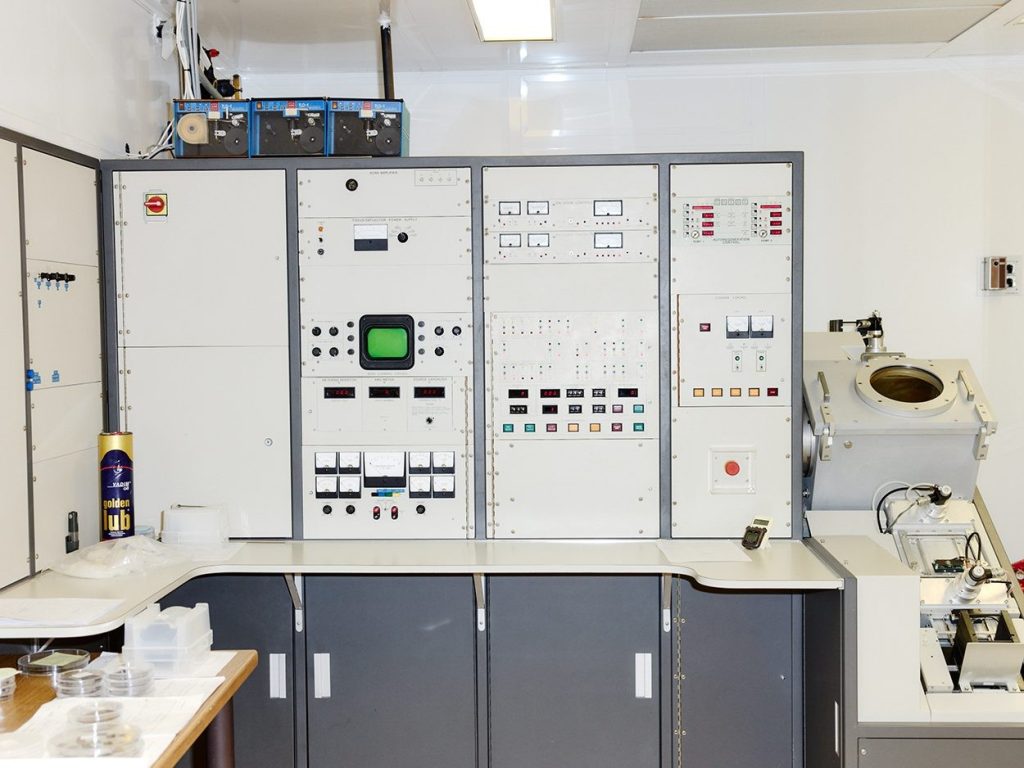
The feature showcases the cleanroom facilities at NCSR “Demokritos”, one of Greece’s leading microelectronics research infrastructures, where prototypes of electronic circuits, photonic systems, and sensors are developed, serving as a vital link between research and industrial production.
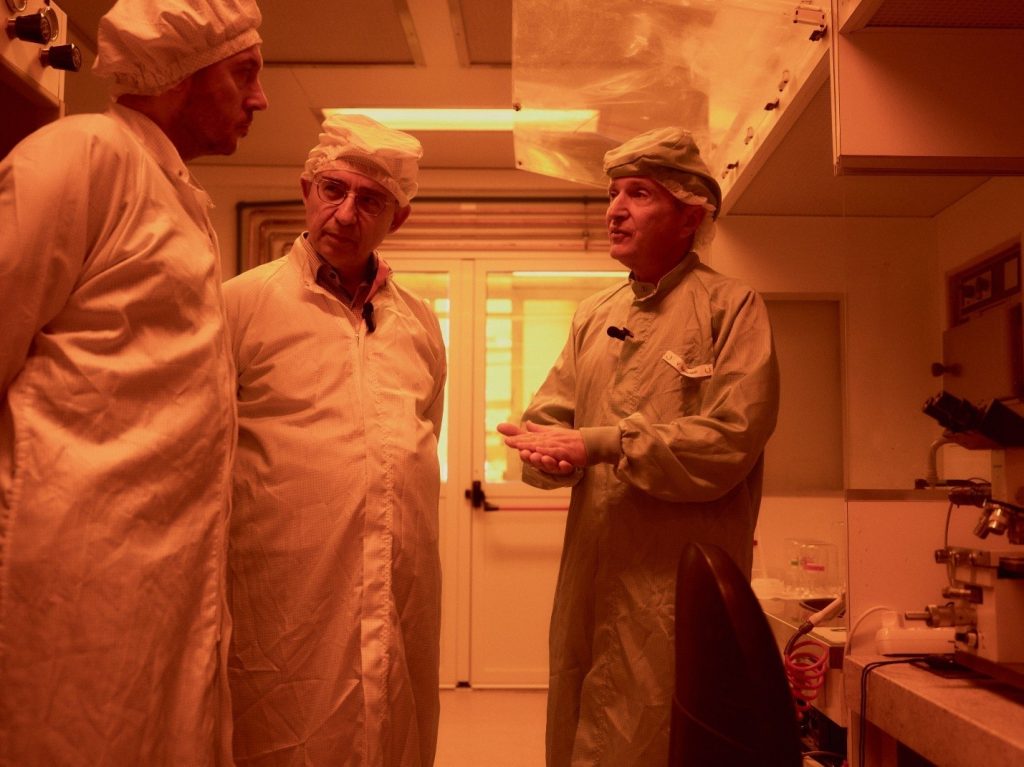
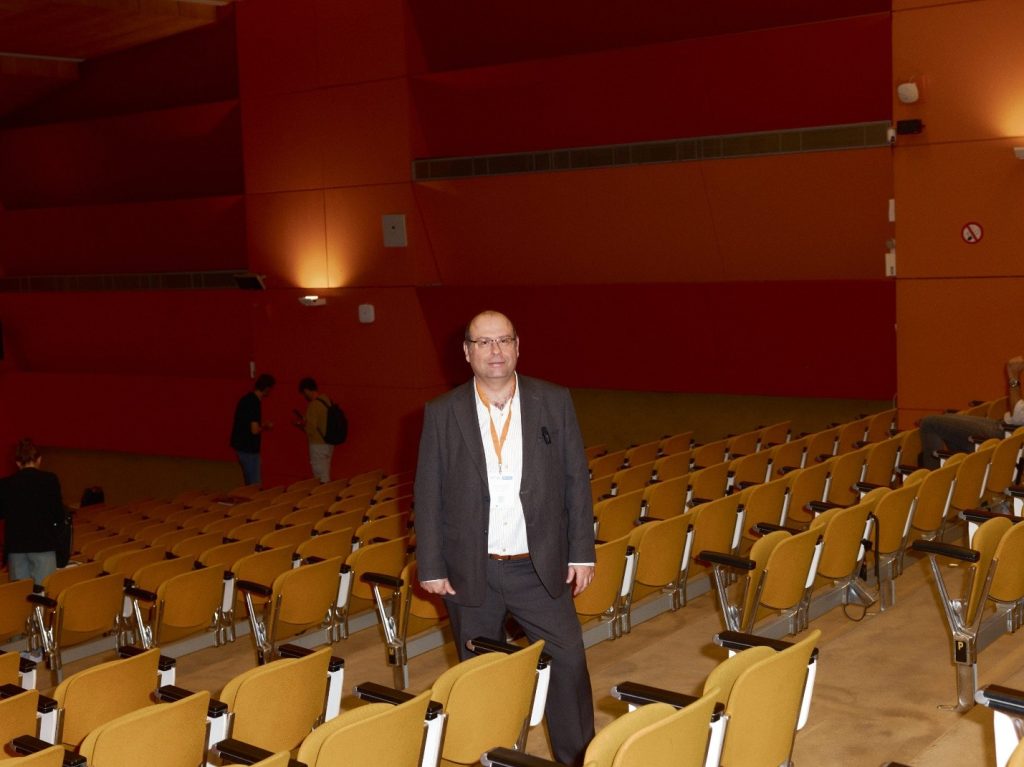
At the same time, Dr. Emmanouel Zervakis, President of the Hellenic Chips Competence Centre (HCCC) and the HETiA – Hellenic Emerging Technologies Industry Association, discusses the opportunities, challenges, and future prospects of the Greek semiconductor ecosystem. He emphasizes that Greece possesses significant expertise in integrated circuit design and electronic design automation (EDA) tools, while further strengthening is needed in semiconductor fabrication, characterization, and packaging capabilities. He also underlines that the availability of highly skilled talent remains one of the sector’s greatest global challenges. According to Dr. Zervakis, the Greek ecosystem has evolved into a dynamic network of dozens of companies and research institutions, creating new career opportunities and strengthening the country’s ability to attract international investment.
Dr. Zervakis, further notes that artificial intelligence will not replace engineers but will support their work by automating repetitive tasks and enhancing productivity, efficiency, and innovation.
Read the full article on WIRED Greece: HERE


HCCC project is supported by Chips JU and its members, and is co-funded by European Union and the Greek Government via the “Competitiveness” Programme.
Co-funded by the European Union. Views and opinions expressed are however those of the author(s) only and do not necessarily reflect those of the European Union or EYDE-VEK. Neither the European Union nor the granting authority can be held responsible for them.